
The Modern SEO Framework: A Guide for SaaS and Tech Leaders
- Modern SaaS SEO is no longer just keyword targeting - it’s building a system that generates compounding revenue across Google, AI Overviews, ChatGPT, and Perplexity.
- The discovery layer now spans traditional search, generative engines, voice search, and vertical platforms - requiring a broader content and authority strategy.
- Topical authority - owning a cluster of interconnected content on a single subject - is the core signal that drives rankings in 2026.
- Technical precision (clean architecture, fast load, proper schema, internal linking) is the foundation that makes content visible and extractable.
- GEO (Generative Engine Optimization) requires consistently structured, credible, and clearly attributed content that AI systems can reliably cite.
- The companies winning organic growth treat SEO as a revenue system - aligning content to buyer stages, not just optimizing pages in isolation.
If your SEO strategy is still focused purely on “ranking for keywords” - you are playing a game that was settled in 2022. In 2026, organic acquisition is no longer just about optimizing a list of blue links on a search results page. It’s about becoming a trusted authority that Google, Perplexity, and ChatGPT choose to cite as a primary source.
For a SaaS or tech company, a website that “looks good” but fails to generate a predictable pipeline is a liability. SEO is the system that turns that website into a compounding asset. In this guide, we’ll move past the basics and look at the “System-First” framework required to succeed in the AI-augmented search landscape of 2026.
The Evolution: From Keyword Targeting to System-Based Growth
The old SEO playbook was simple: find a high-volume keyword, write a 1,500-word post, and build some links. In 2026, that strategy fails because search is no longer a single-channel destination. It’s a fragmented ecosystem where users get answers from a variety of sources.
Modern SaaS SEO is about building a revenue system rather than chasing traffic. This system integrates technical precision, topical authority, and cross-platform presence. If your strategy stops at getting clicks, you are leaving serious revenue on the table. Today’s leaders focus on the entire buyer journey: moving prospects from awareness to education, then trust, and finally conversion.
Stage 1: The Discovery Layer (Google, SGE, ChatGPT, Gemini, Voice)
Your buyers are searching everywhere, not just on Google. Modern SEO requires you to be visible across a wider surface area:
- Generative Engines (ChatGPT, Perplexity, Gemini):
These tools prioritize clarity, depth, and original insights. They don’t want “fluff”; they want sources that explain complex SaaS problems clearly.
- Google AI Overviews (SGE):
This is the new top of the funnel. To appear here, your content must be structured to answer the user’s intent immediately, using clear formatting and authoritative data.
- Voice & Vertical Search:
As voice search and niche platforms grow, being the “authoritative source” for your specific industry terms becomes a moat that competitors can’t easily cross with simple keyword spam.
Stage 2: The Visibility Layer (Winning the ‘Cited’ Spot)
In the era of AI-driven search, “ranking” is being replaced by being cited. If you want your SaaS product to be the recommended solution, your content needs to be optimized for machine-readability:
- Factual Bundling:
Instead of scattering information, bundle related entities (product features, pricing, use-case examples) into immutable, well-structured data packets that AI models can parse instantly.
- Direct Answers (AEO):
Structure your pages with a summary-first approach. By placing the core answer or definition at the very beginning of the page, you increase your chances of being pulled into AI-generated summaries.
- Authoritative Signals:
Generative systems assess trust based on site architecture, transparent authorship, and consistent citation history across the web.
Stage 3: The Content & Authority Engine (E-E-A-T + Topical Hubs)
Topical authority is the gold standard of 2026. Search engines now evaluate your site based on whether you are a trusted voice on a specific topic, rather than a jack-of-all-trades.
- Pillar-Cluster Architecture:
Build massive hub pages for core topics (for example “SaaS Security”) and link them to dozens of specific, supporting articles (“SOC2 Compliance for SaaS” or “Cloud Encryption Basics”). This creates a specific web of expertise that search engines simply cannot ignore.
- E-E-A-T (Experience, Expertise, Authority, and Trust):
AI systems analyze your content depth. If you publish generic, surface-level posts, you lose to competitors who provide real-world insights, original data, and practical guidance.
- Originality as a Ranking Signal:
The most impactful content in 2026 is original research, proprietary benchmarks, or unique industry perspectives. AI models can summarize existing content, but they can’t replicate your company’s proprietary experience.
Stage 4: The Technical & Distribution Foundation (Performance + Syndication)
The best content system will fail if it’s built on a crumbling technical foundation.
- Streamlined Metadata:
Use your CMS to programmatically manage metadata. This ensures that as your site scales, your SEO signals remain consistent and error-free.
- Schema Markup as a Competitive Edge:
Go beyond basic meta tags. Use structured data (Article, FAQ, HowTo, Product, Breadcrumb schema) to explicitly tell search engines what your content represents.
- Distribution as a Signal:
SEO isn’t just about indexing. It’s about engagement. Use newsletters, social syndication, and community engagement to drive the brand signals that search engines interpret as popularity and trust.
The Three Pillars of Traditional SEO in 2026
The fundamentals haven’t disappeared - they’ve deepened. Here is how to approach the three pillars in an AI-first world:
On-Page: Relevance and Entity Mapping
In 2026, on-page optimization isn’t about keyword density - it’s about intent satisfaction.
- Entity-First Content:
Use your H1, H2, and H3 headers to map out the entities (products, concepts, solutions) relevant to your solution. Don’t just mention “software” - mention “enterprise-grade security compliance” or “API-first integration.”
- The “Answer-First” Approach:
Write your content so the core answer is immediately accessible. By placing the core answer or definition at the very beginning of the page, you increase your chances of being pulled into AI-generated summaries.
Off-Page: Authority and Credibility
Backlinks are still the votes of the internet, but the type of vote matters more than the volume.
- High-Intent Backlinks:
One link from a niche-relevant industry publication is worth 50 links from low-quality directory sites.
- Brand Mentions:
AI models monitor brand sentiment across the web. Being mentioned on high-authority industry platforms builds the “brand signal” that AI systems look for before they cite you.
- Collaborative Authority:
Partnerships and expert features establish you as an entity within your industry. This is a major factor for AI-cited sources - the models look for corroboration across multiple credible domains.
Technical SEO: The Performance Bedrock
Technical SEO is the silent pillar. If this fails, the other two don’t matter.
- Architecture & Taxonomy:
A logical, siloed site structure ensures Google understands the relationship between your product pages and your content. This is the difference between a “blob” of content and a strategic content system.
- Schema & Structured Data:
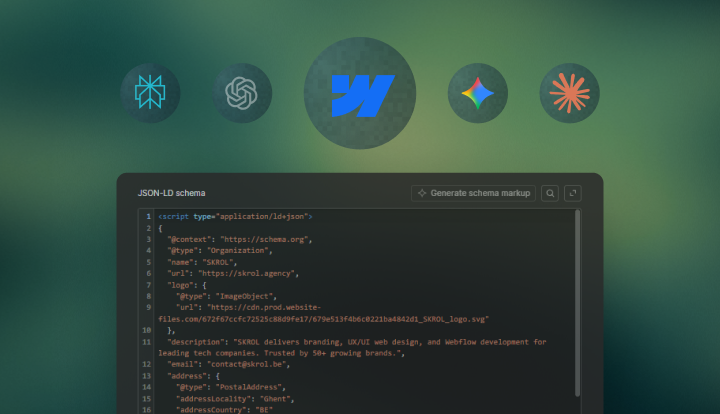
This is how you “talk” to AI systems. By using FAQ, Article, Organization, and Service schema, you provide the machine-readable data that generative engines thrive on.
The 2026 Organic Roadmap: A System-First Strategy
Moving from a keyword-chasing mindset to a revenue-generating system requires operational discipline. In 2026, the competitive advantage belongs to the marketing teams that treat their organic presence as a high-performance software product.
This roadmap outlines the systematic actions that move your organic channel from a content factory to an engine for predictable pipeline:
- Audit Your “Crawl Path” for Intent:
Stop viewing your pages as isolated articles. Conduct a deep audit of how your site structure facilitates user journeys. If a visitor lands on a top-of-funnel article about “SaaS churn,” is there a clear, logical path that leads them to your specialized use-case page or product comparison?
If your internal linking is accidental rather than architectural, you are losing potential conversions before they even happen.
- Implement Entity-Level Content Governance:
In 2026, you should be mapping your content to entities, not just search terms. Create a knowledge graph for your company that explicitly defines your core products, target industries, and primary use cases.
Ensure every piece of content you produce is tagged against these entities in your CMS. When AI crawlers visit, they should be able to instantly categorize your expertise, for example: Your Company → SaaS Security → Enterprise Compliance.
- Build a Programmatic Content Engine:
Stop writing one-off pages that disappear after a month. Use Webflow’s CMS collections to build evergreen templates for your integration hubs, competitor comparisons, and industry-specific landing pages.
Use dynamic data fields to refresh these pages automatically as your product evolves. This scale allows you to maintain freshness and relevance signals, which are critical for AI citation.
- Master Schema-First Publishing:
Your editorial process should mandate schema as a core component of production, not an afterthought. For every major content asset, define the relevant schema - FAQPage, HowTo, Article, or Product - during the design phase.
This makes your content machine-ready the moment it goes live, giving you an immediate advantage in Google’s AI Overviews.
- Diversify Your Authority Signals:
SEO is no longer just about Google Search Console metrics. Look at your brand presence across the web. Are you showing up in industry-specific newsletters? Are your product pages cited in technical benchmarks? Are you getting mentions in major industry Slack communities?
These external brand signals are becoming the foundational trust layer for modern search algorithms.
Building Your Revenue System (Not Just Rankings)
If you are a SaaS or tech leader, you must stop treating SEO as a side task or a simple marketing metric. It’s the most scalable engine you have. To build it right, stop looking for “hacks” and start optimizing for business objectives:
- Align Content with the Buyer Journey:
Map your organic strategy directly to your sales cycle. Use awareness content to educate, use comparison content to build trust, and use bottom-funnel technical guides to drive demo intent.
- Architecture Over Aesthetics:
A site that looks beautiful but lacks a scalable CMS and a logical taxonomy will eventually hit a growth ceiling. Build your site on a platform like Webflow that prioritizes structural integrity, speed, and content governance.
- Measure Pipeline, Not Vanity Metrics:
Focus on how your organic acquisition influences demo requests, trial signups, and customer acquisition cost (CAC). If your organic system isn’t driving qualified leads who are educated on your product’s specific value, you’re just chasing vanity clicks.
- Partner with Specialists:
Modern SEO is a technical discipline that blends data architecture, content strategy, and UX. Don’t rely on generalists who can’t implement their own strategy inside your tech stack. Partner with teams who can build the search engine into your site, ensuring your digital presence is built to scale from the first component.
Frequently Asked Questions
SaaS buyers have complex, multi-stage decision cycles. SEO in 2026 must move beyond simple keywords to focus on intent, building trust throughout the funnel - from problem awareness to direct product comparisons - and ensuring visibility across AI answer platforms, not just traditional search.
Topical authority is the strategy of proving your site is a deep expert on a specific subject by creating comprehensive clusters of related content. It wins because modern AI search engines prefer sources that clearly understand a concept in its entirety, rather than individual pages that just happen to match a search phrase.
The key is citation-ready structure. This means providing clear, concise definitions, using original insights or proprietary data, and maintaining a site architecture that is easy for LLMs to crawl and link back to as an authority. If your content provides clear, well-structured answers, AI systems will trust you as a primary source.
More than ever. If your site structure is messy, your metadata is inconsistent, or your technical foundation is slow, AI bots cannot accurately parse your information. A technically clean site allows search engines and AI to extract your content without friction, which is the baseline requirement for appearing in summaries and overviews.
Measure it by its impact on the revenue pipeline. Track organic-driven demo requests, trial signups, and the reduction in blended customer acquisition cost (CAC). If your SEO system isn’t driving qualified leads who are educated on your product’s specific value, you’re just chasing vanity traffic rather than building a revenue engine. Book a demo with the SKROL team to audit your search engine.